Moisture-first investigation
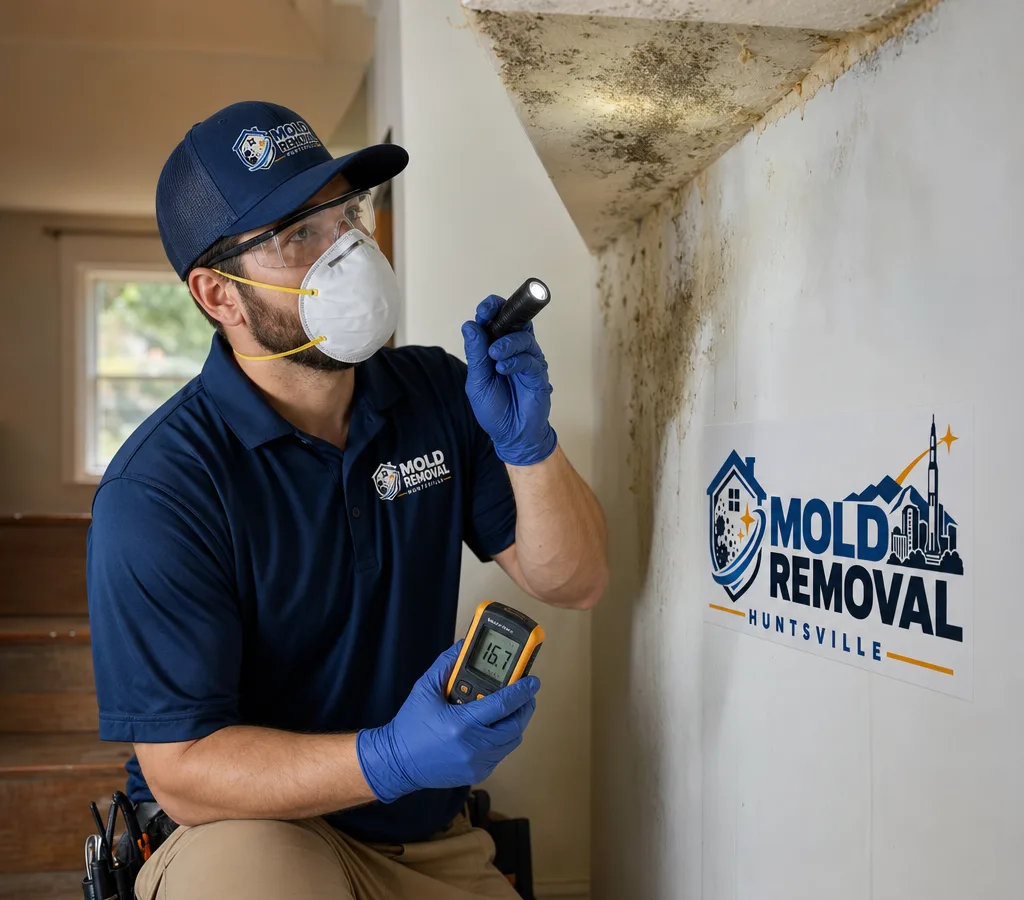
Mold follows water. We look for active or past moisture sources and use field tools like moisture meters and infrared imaging as appropriate to pinpoint where conditions support growth.
Serving Huntsville, Alabama & surrounding areas
24/7 Emergency Response
Mold inspection · Huntsville, AL
If you smell musty odors, see staining, or have had a leak, a clear inspection and lab-backed testing can tell you what you are dealing with and where it is coming from. Mold Removal Huntsville documents findings, explains next steps, and helps you make decisions with confidence.
Documented answers
When people search for mold inspection Huntsville AL, they usually want one thing: a reliable, written answer that separates suspicion from proof. Our job is to locate moisture-driven conditions, identify likely mold growth areas, and recommend the right type of sampling so you are not guessing.
Huntsville's humid seasons and frequent indoor/outdoor temperature swings can keep building materials damp longer than you expect. That matters for closets on exterior walls, bathroom ceilings, HVAC returns, and any spot that has had a past leak. A thorough inspection looks past the obvious and documents what is happening now, not what might happen later.
We work with homeowners, renters with permission, property managers, and real estate buyers and sellers throughout Huntsville. Expect straightforward communication, careful indoor work practices, and results you can use for planning repairs, negotiating a purchase, or confirming that a concern is not actually mold.
Inspection details
Mold follows water. We look for active or past moisture sources and use field tools like moisture meters and infrared imaging as appropriate to pinpoint where conditions support growth.
We inspect areas most likely to hide growth, including plumbing fixtures, wet rooms, windows, utility rooms, crawl spaces, and safely reachable attic access points.
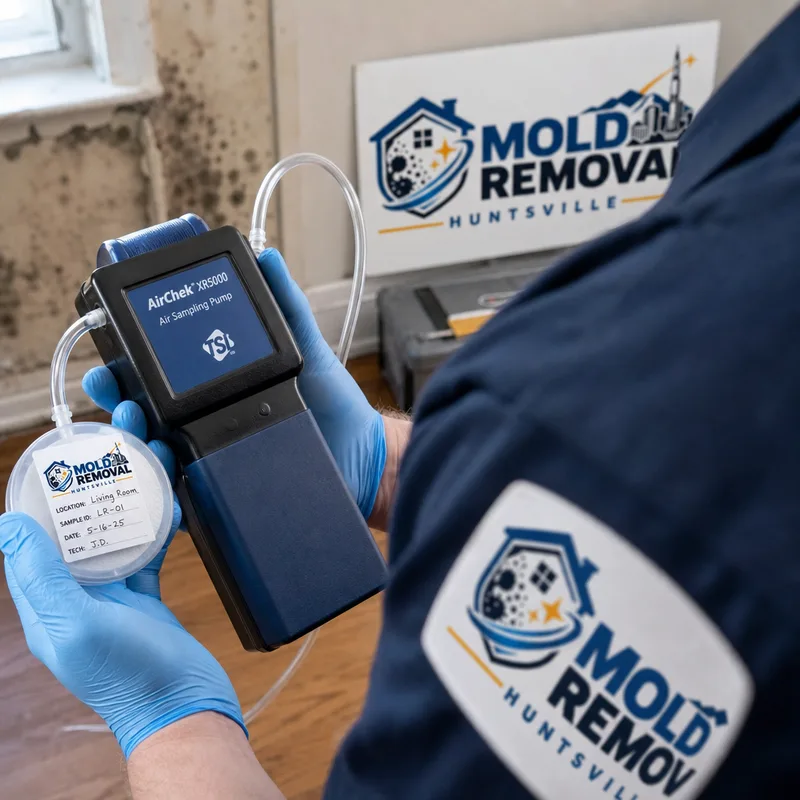
When sampling is needed, we select air, surface, or tape-lift methods based on your question, then send samples to an accredited lab for analysis.
You receive a written summary of observations, sampling locations, lab results if taken, and practical recommendations for moisture control and affected materials.
If you are in a due-diligence window, we focus on what was found, where it was found, and what should be done next.
If remediation is warranted, we explain containment basics, what to expect from a scope of work, and what a post-remediation verification plan should look like.
Purposeful sampling
Mold testing Huntsville AL is most useful when it answers a specific decision. Sampling is not always required to confirm visible growth, but it can be valuable when you need to understand severity, document conditions, or check a space where mold is suspected but not visible.
Common reasons to test:
We commonly use:
Good sampling strategy matters more than the number of samples. We take samples based on building layout, airflow, and the moisture story, then explain what the lab report means in practical terms.
We start by learning what you have noticed and what you need the inspection to accomplish, such as real estate documentation or pinpointing a hidden source.
We walk the property, check likely moisture points, and inspect the most relevant rooms first. If safe access allows, we include attic and crawl-space areas.
We use field tools to confirm damp materials and outline affected boundaries as conditions allow without destructive opening.
If testing is warranted, we choose air and/or surface samples that match your questions. Samples are documented by location and chain of custody, then sent to a lab.
You receive a clear summary of observations, lab results when taken, and next steps, with moisture control prioritized before repairs or remediation.
Local property patterns
Every property is different, but local housing patterns and day-to-day use create repeat problem spots. In Huntsville, we frequently get inspection requests tied to:
Intermittent leaks at supply lines, wax rings, tub surrounds, and washer drain hoses can wet subfloors and wall plates.
Slow leaks under sinks and behind dishwashers can feed mold inside cabinets and toe-kicks.
Return plenums, drain pans, and duct boots can create moisture issues that are easy to miss during humid weather.
These areas often reveal the bigger moisture story, including ventilation, condensation, and insulation issues.
We also see location-driven concerns within the city. Homes near Monte Sano often have shaded lots that stay damp longer after rain. In Jones Valley, finished basements and lower levels can add risk if minor seepage is left unchecked. Around Five Points, older repair and remodeling histories make source tracking especially important. In newer communities in Madison, tightly built homes can trap humidity if ventilation and HVAC settings are not balanced.
If you are deciding whether you need an inspection or a full remediation plan, inspection and testing provide the documentation needed to choose the right scope.
Pricing context
Mold inspection in Huntsville typically ranges from about $250 to $650, depending on home size, how many areas are being evaluated, and whether mold testing with lab analysis is included. A basic visual and moisture assessment is often at the lower end, while inspections with multiple air and surface samples trend higher.
Final price depends on access to attics or crawl spaces, urgency, how targeted the inspection is, and how many samples are needed to answer your questions. The exact cost is confirmed after we understand the property and the goal of the inspection.
Homeowner experiences
“We had a musty smell that wouldn't go away. The inspector found the moisture source, explained why the smell was strongest in one room, and the report made it easy to plan the fix.”
“During our home purchase we needed fast, clear documentation. The sampling locations were explained, and the lab results were easy to understand without feeling pushed into extra work.”
Straight answers
Most mold inspections take about 60 to 120 minutes on site, depending on the size of the home and how many areas need close evaluation. If sampling is performed, collection is usually quick, and the longer part is waiting for lab turnaround.
Not always, because visible growth plus moisture is often enough to justify corrective action, but testing can help when you need documentation for a landlord, insurance questions, or a real estate transaction. Surface sampling can also help assess whether a stain is likely mold or something else.
Air tests capture airborne spores in a room and are useful for comparing indoor conditions to outdoors, while surface tests check what is on a specific material like drywall, framing, or a vent cover. A good mold inspector chooses the method based on the decision you need to make.
Yes, when access is safe, those areas are commonly included because they often reveal ventilation, insulation, and condensation issues. If an area is unsafe to enter, we explain what can be evaluated from accessible points and what alternatives make sense.
A standard mold inspection is non-destructive, so we rely on visual findings, moisture readings, and targeted sampling. If evidence suggests hidden moisture, we can recommend next steps, which may include selective openings by the appropriate trade after you approve the plan.
Leave suspected areas accessible and avoid heavy cleaning with bleach or strong chemicals immediately before the visit because it can interfere with what we observe and sample. Notes about leaks, repairs, or when odors are strongest also help guide the inspection.
A clear next step
Tell us what you've noticed and where, and we'll recommend the right inspection and mold testing approach for your home or rental, then provide documentation you can act on.