Moisture mapping and monitoring
We use moisture meters and thermal imaging to locate wet materials behind surfaces, then track progress until drying targets are met.
Serving Huntsville, Alabama & surrounding areas
24/7 Emergency Response
Water damage restoration · Huntsville, AL
Fast response, careful drying, and a clear repair plan to protect your structure and prevent secondary damage after a leak or flood.
Dry thoroughly, repair wisely
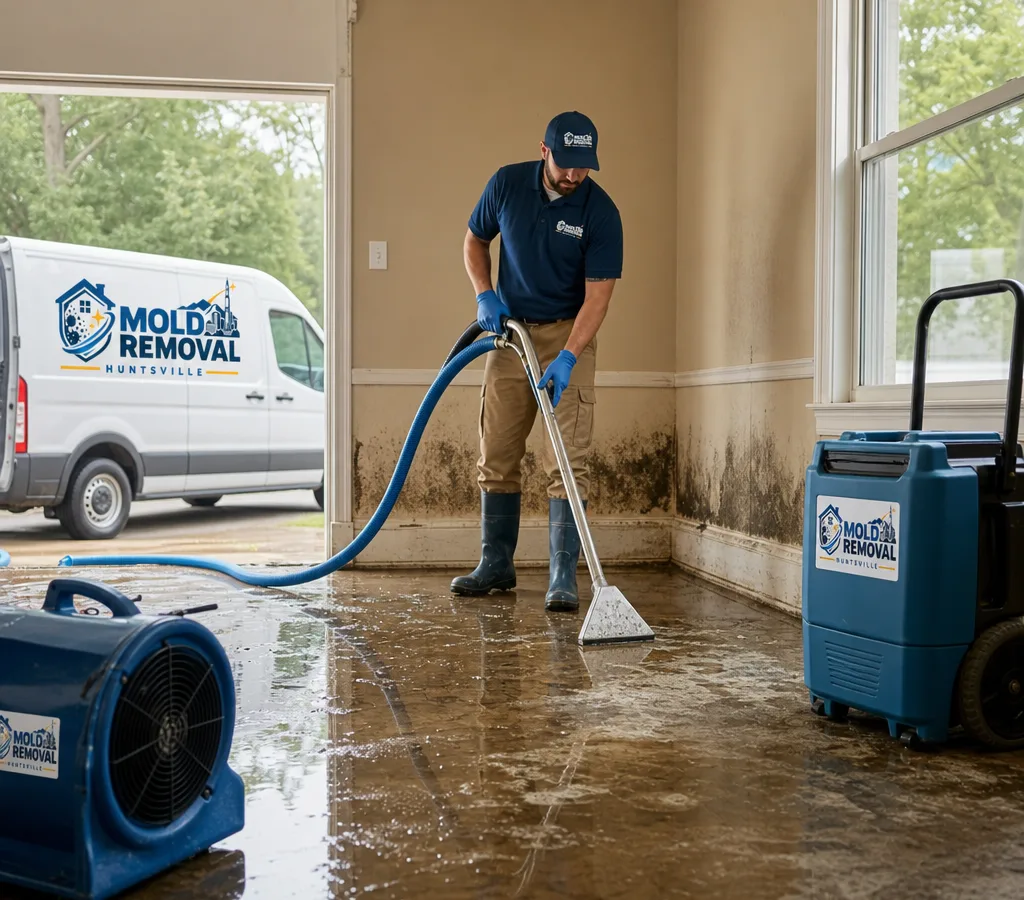
When water gets into drywall, flooring, or insulation, the clock starts. Water damage restoration in Huntsville, AL usually means more than pumping out water. It means finding where moisture traveled, drying building materials to safe levels, and documenting conditions so repairs are targeted instead of guesswork.
Mold Removal Huntsville provides water damage restoration Huntsville AL property owners rely on after burst supply lines, appliance leaks, HVAC drain overflows, roof leaks, and storm-related intrusion. Our team focuses on stabilizing the structure first, then building a practical plan to restore the space.
In North Alabama, humidity can slow drying and raise the risk of secondary damage if the work is not managed tightly. The right combination of extraction, dehumidification, airflow, and moisture monitoring is what keeps a small incident from turning into a full rebuild.
Restoration essentials
We use moisture meters and thermal imaging to locate wet materials behind surfaces, then track progress until drying targets are met.
Standing water is removed fast, and only the materials that cannot be dried safely are removed so repairs stay focused.
Air movers and LGR dehumidifiers are set up based on the room volume and material types, not a one-size layout.
Contents and surfaces are cleaned as needed, with odor-control steps when water sat long enough to affect porous materials.
Photos, readings, and scope notes help you, your insurer, and your repair team agree on what needs to be rebuilt and what can stay.
Hidden moisture paths
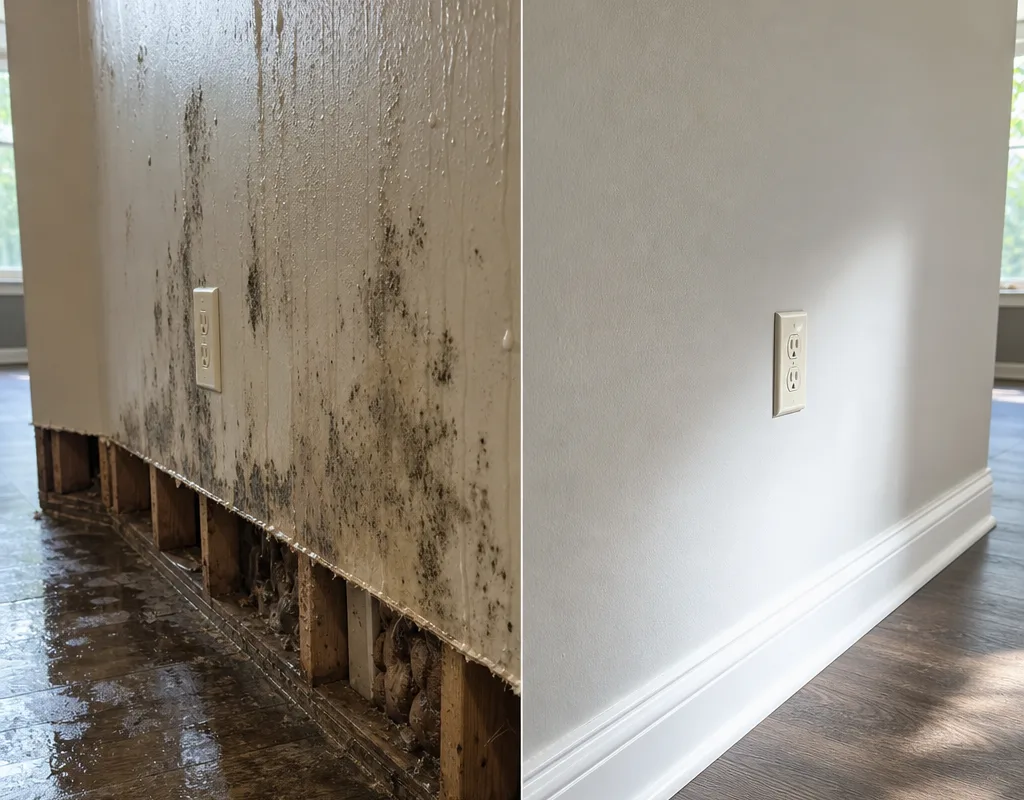
Water can move farther than it looks. It wicks up drywall, runs under baseboards, and collects in low spots under flooring. A room that appears “mostly dry” can still have trapped moisture in wall cavities or under floating floors.
Common situations we see around Huntsville include:
Whether you are dealing with a small overflow in Five Points, a slab-on-grade home in Jones Valley, or a newer build in Madison with tight construction, the goal stays the same: dry the structure thoroughly and verify it with readings before closing things back up.
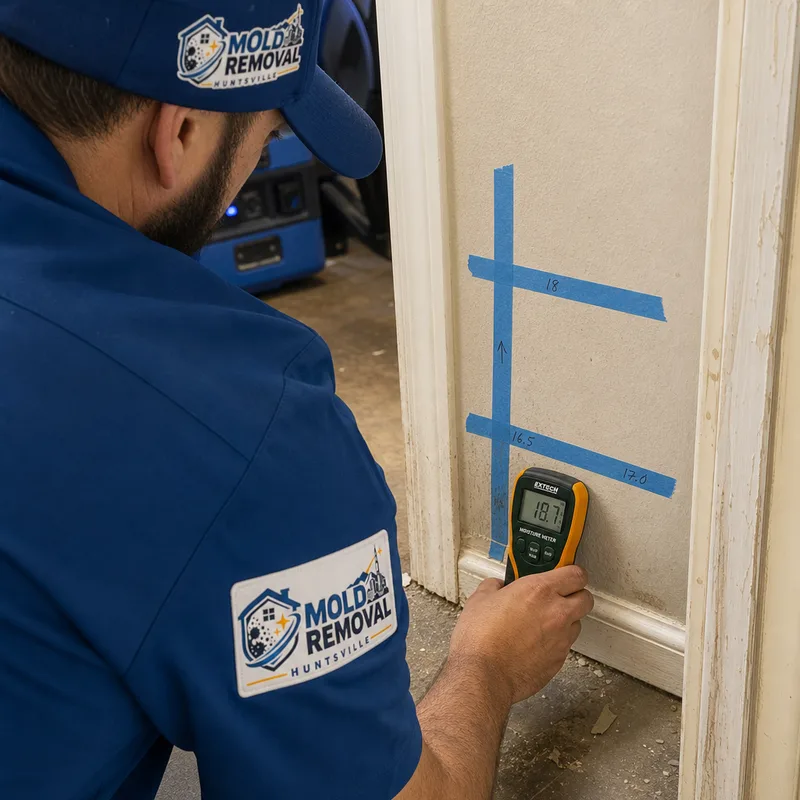
We start by identifying the category of water—clean, gray, or contaminated—and confirming the leak is controlled. If needed, we coordinate with a plumber or other trade so drying work is not undone.
We document affected materials, take moisture readings, and outline what can be dried versus what should be removed for safety and performance.
We extract standing water, pull saturated pad and damaged baseboards when required, and open small access points to help cavities dry.
Air movers and dehumidifiers are positioned to create effective airflow patterns. We adjust equipment placement based on readings and drying rates.
Once materials hit drying goals, we provide final documentation and coordinate the next steps for rebuild, whether that is patching drywall, replacing flooring, or repainting.
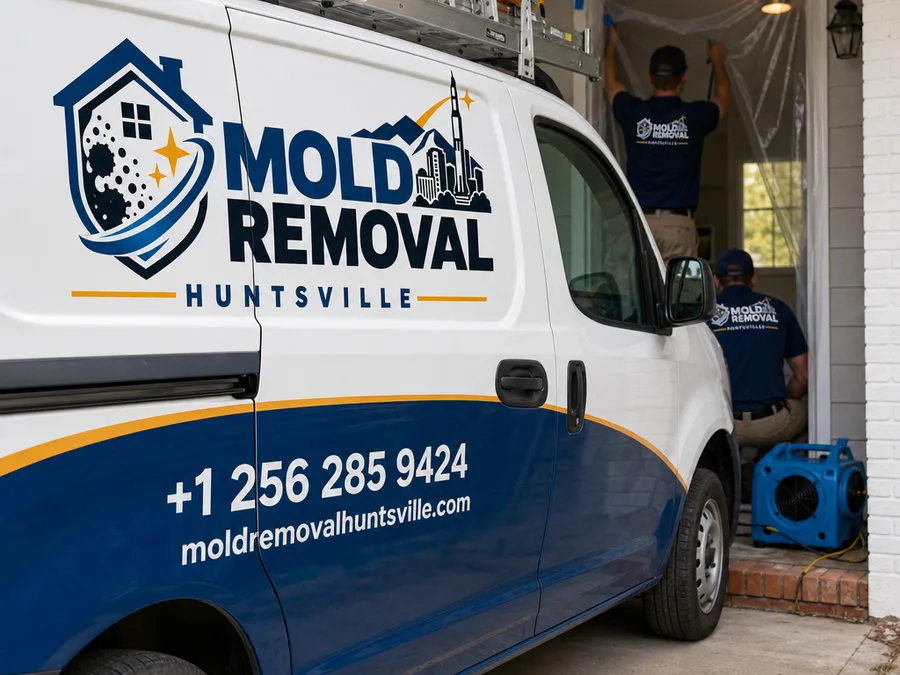
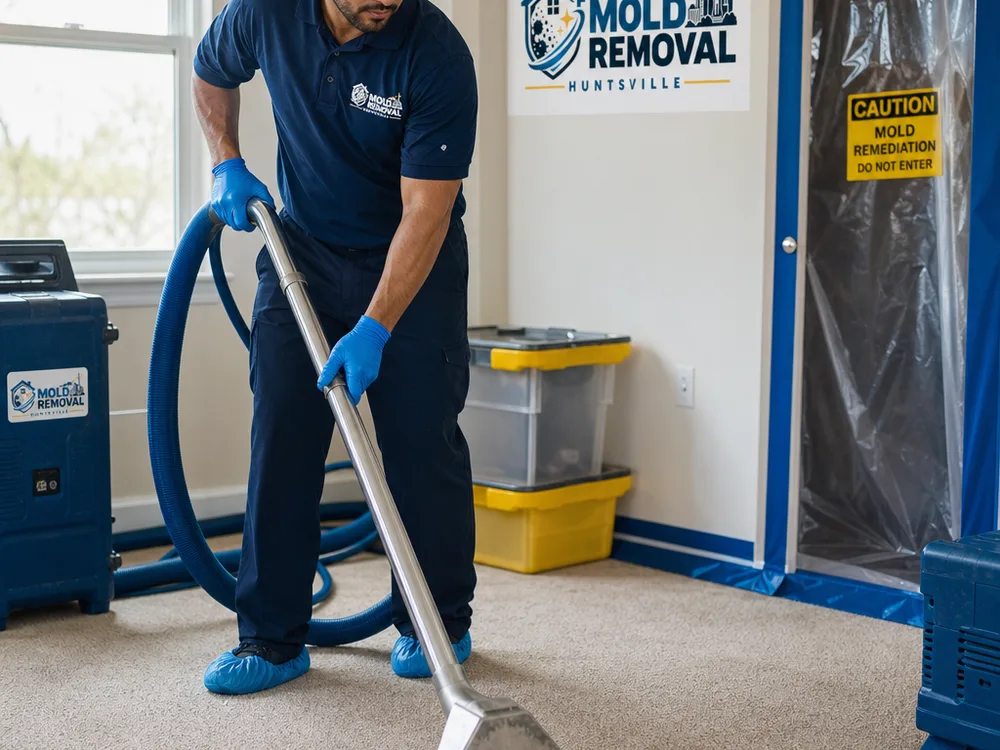
Careful work in occupied properties
Pricing context
Water damage restoration in Huntsville typically ranges from about $1,000 to $7,500+, with small clean-water incidents—a minor supply-line leak caught quickly—often landing in the lower end and larger multi-room losses with removal and rebuild coordination moving higher. If the water is contaminated or it sat long enough to affect multiple layers of materials, costs rise.
Final price depends on the affected square footage, water category, how long materials stayed wet, required demolition such as drywall, insulation, or flooring, equipment days, and contents handling. An on-site inspection and moisture mapping confirm the exact scope before work proceeds.
Act before moisture travels farther
If you have wet drywall, buckled floors, or a persistent musty odor after a leak, getting a documented drying plan early can prevent repeat repairs and hidden damage.
Book Your Free InspectionStraight answers
Restoration should start as soon as it is safe and the source is stopped, ideally the same day, because water can soak into drywall, subfloor, and insulation quickly. Early extraction and dehumidification reduce swelling, staining, and the likelihood that materials will need to be removed.
Drywall only needs removal when it is heavily saturated, crumbling, contaminated, or cannot be dried effectively in place. For many clean-water leaks, small flood cuts or targeted access openings plus controlled drying can be enough, but the decision should be based on moisture readings, not appearance.
Most drying jobs take about 3 to 5 days, but thicker assemblies, trapped moisture under flooring, and high ambient humidity can extend the timeline. We track progress with moisture meters and adjust equipment rather than guessing based on time alone.
Yes. The key is identifying the entry points—roof, flashing, siding, or windows—and drying the structure while protecting unaffected areas. After storms, we often see multiple small intrusion points that need documentation so repairs address the real pathway, not just the visible stain.
Coverage depends on your policy and the cause of loss, but many sudden, accidental events like a burst pipe are commonly covered while long-term seepage is often excluded. We provide photos, readings, and a clear scope so you can submit accurate documentation to your adjuster.
Shut off the water source if possible, turn off electricity to affected areas if there is standing water, and avoid running HVAC if it may spread moisture. If it is safe, move valuables to a dry area and blot up water, but avoid pulling up flooring or opening walls without a plan because it can spread contamination or complicate repairs.
A clear next step
Tell us what happened and what areas are affected. We will inspect, map moisture, and outline the next steps to dry, clean, and repair your property in Huntsville.